
 Back to Updates
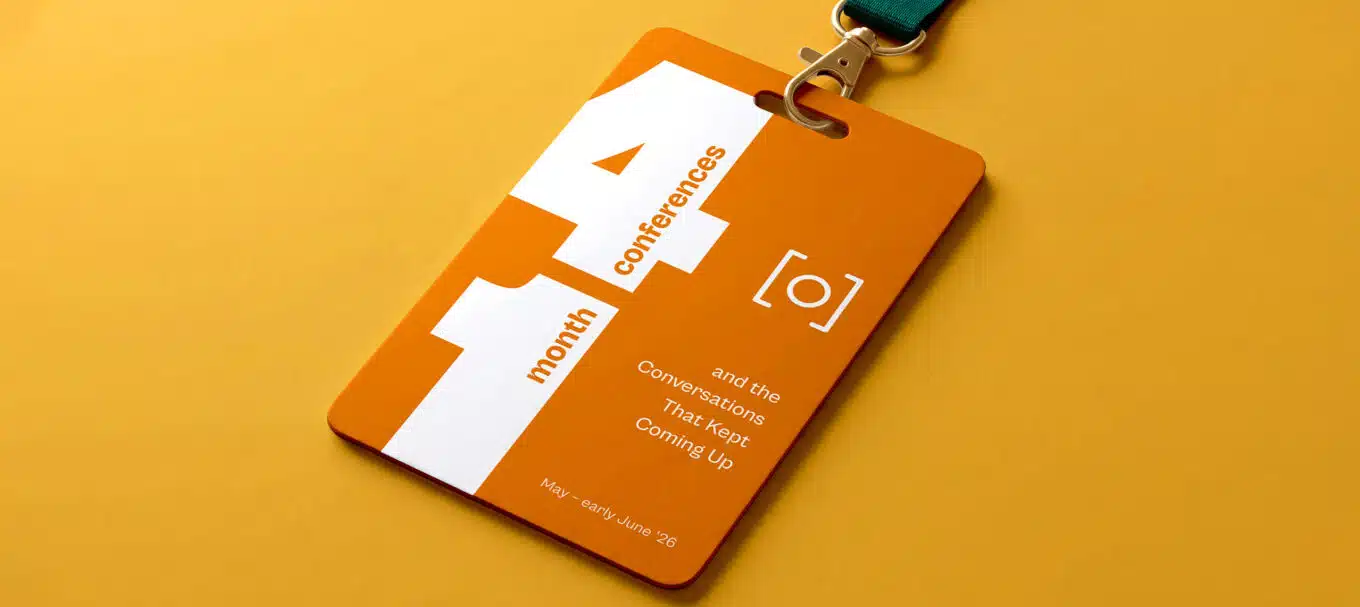
Four Conferences, One Month, and the Conversations That Kept Coming Up
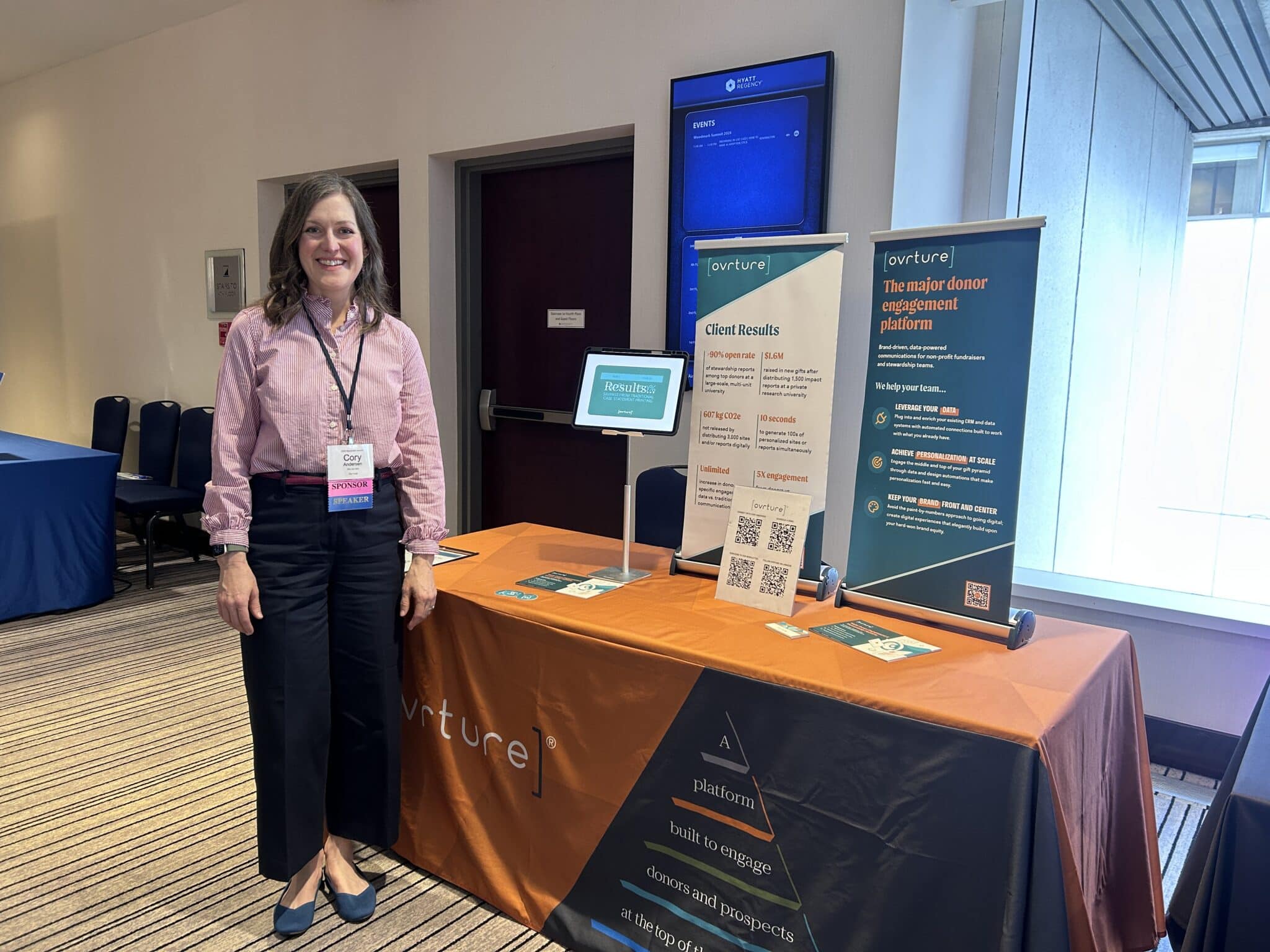
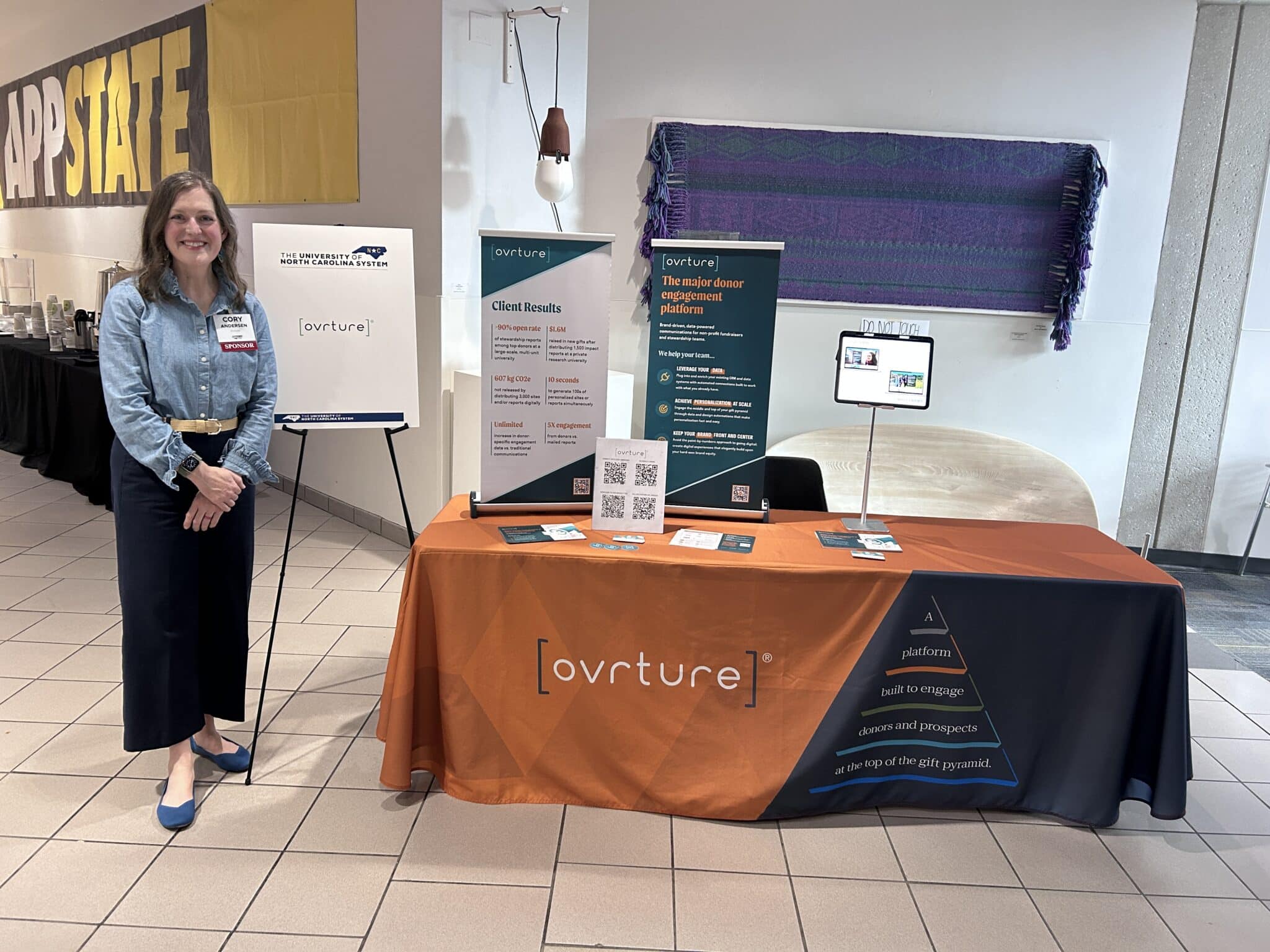
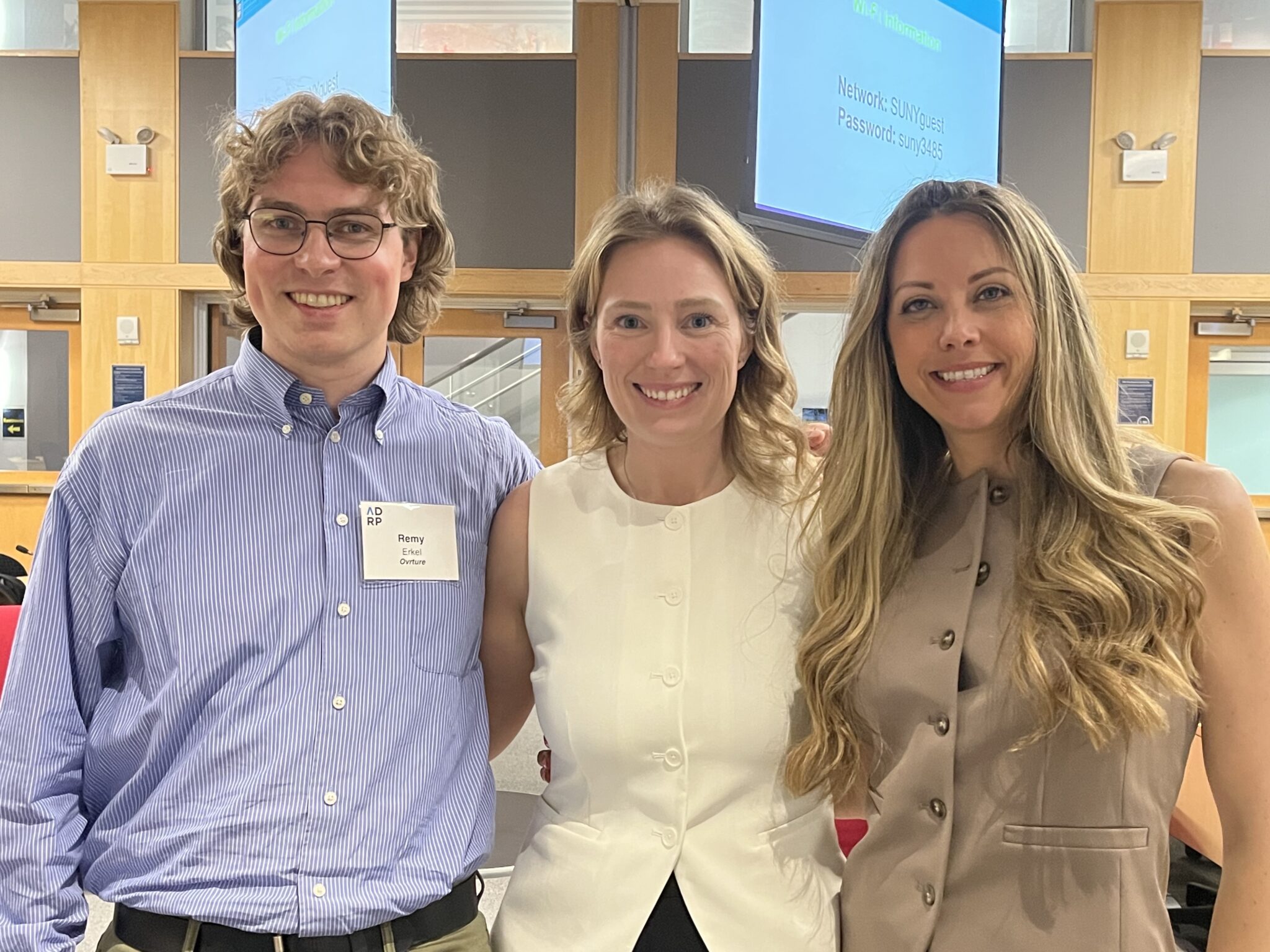
Between May and early June, the Ovrture team attended four conferences in about five weeks. I was at the Woodmark Summit in Vancouver, the UNC Advancement Symposium at Appalachian State in Boone, and the CASE Donor Relations Conference in New Orleans. My colleague Remy Erkel was in New York presenting at ADRP NEMA with clients from Siena University and NRDC on their transitions to digital stewardship.
The audiences at each event were quite different from one another, but when Remy and I compared notes afterward, we realized the same conversations kept showing up. I want to share what kept coming up because I think it paints a good picture of where advancement teams are headed.
Teams are ready for better tools, and they’re doing the work to get there
The appetite for new technology in advancement right now is real. What stood out to me was how much research people have already done on their own. They know what’s out there, and they’re thinking carefully about what fits.
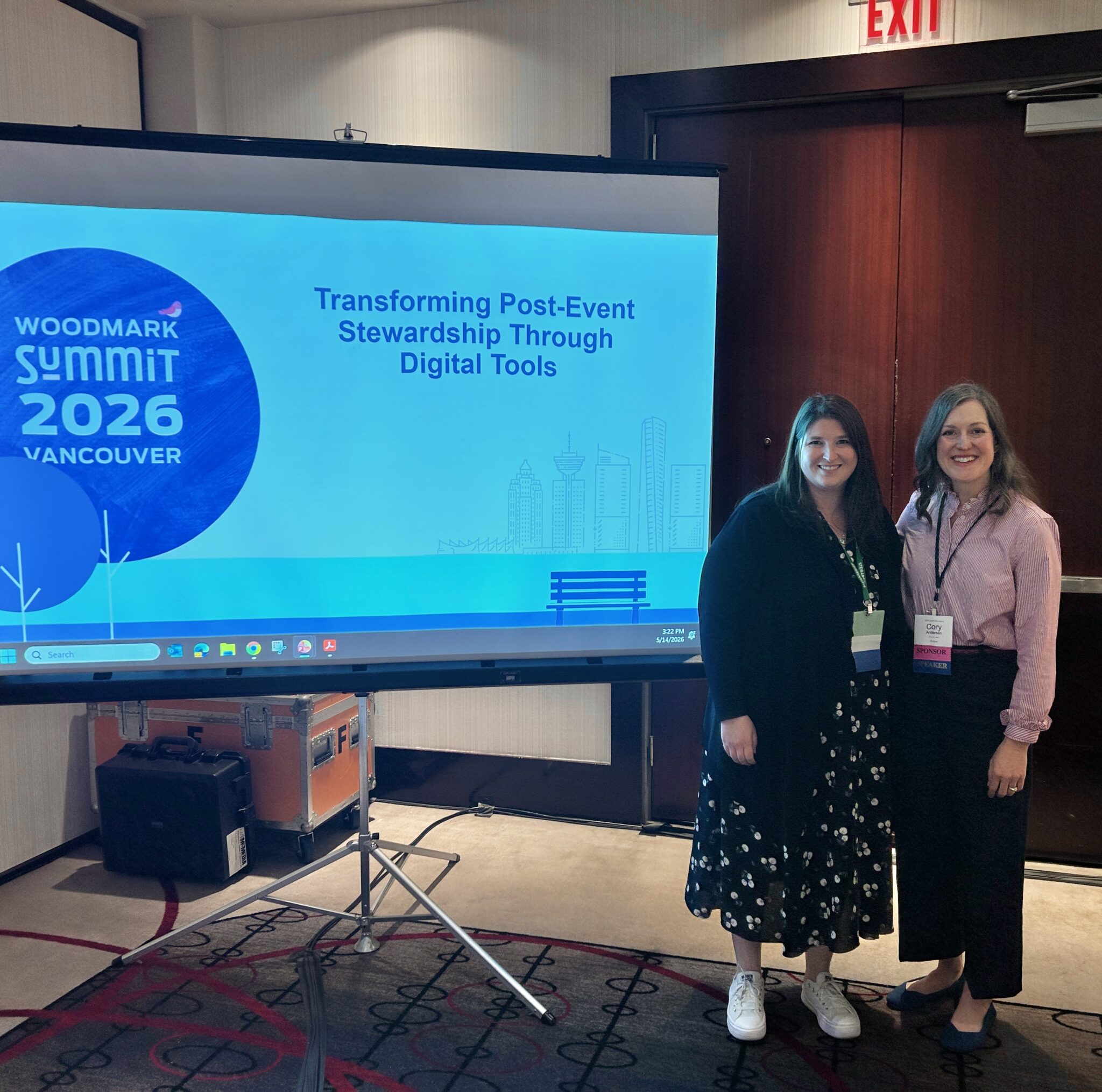
At the Woodmark Summit, where the audience is exclusively children’s hospital foundations, I co-presented with Lauren Scheinert from Children’s National on how they’ve transformed their post-event stewardship using Ovrture over the past three years. The session was focused on practical workflows: photographer shot lists, video capture protocols, how to build personalized digital follow-ups for sponsors that actually show them what their support made possible. A lot of the questions afterward weren’t about the strategy itself. They were about how to build the internal case for trying something new. That’s a good sign.
I heard similar energy in Boone at the UNC Symposium and again in New Orleans at CASE. Remy heard the same thing at ADRP NEMA, too, where follow-up conversations after both of his sessions focused on how to make a data-based case to leadership for investment in the right technology. Teams know where they want to go, and many of them are finding creative ways to move in that direction even when they’re working within institutional constraints. It doesn’t always move as fast as people would like, but it is moving. I left every one of these events feeling optimistic about that.
AI is on everyone’s radar, and experimentation has started
A year ago, the AI conversation at conferences like these was mostly theoretical. This spring it felt noticeably different. People are trying things. They’re using AI to draft acknowledgment letters, summarize meeting notes, brainstorm campaign themes. It’s happening in a grassroots kind of way right now. Someone on the team figured out a prompt that saves them an hour a week, and they’re sharing it with a colleague down the hall.
The next step for a lot of shops is figuring out how to do it more deliberately as a team, not just one person at a time. At booths and in hallway conversations, I kept hearing some version of the same question: “What are other shops doing with AI?” At ADRP NEMA, the panel discussion on the future of donor relations opened with a 15-minute conversation on how AI usage was being practiced at the panelists’ institutions. People are curious, they’re open to it, and they want to learn from peers who are a few steps ahead of them.
The vendors in the room (us included) are getting asked about AI capabilities more than anything else right now. What are you building? When is it coming? How will it work with our data? The interest is real, and it’s coming from the people doing the day-to-day work, not just leadership. I think the institutions that start experimenting now, even in small ways, are going to be in a great position a year from now because they’ll already understand what works for their team and what doesn’t.
Teams are finding smart ways to do more
Staffing came up at every conference, and not in the way you might expect. Yes, people talked about tight resources. But what I kept hearing was less about the challenge itself and more about how teams are responding to it. People are actively looking for ways to work smarter, and a lot of them are finding answers.
The UNC Symposium had a session specifically about navigating staffing transitions, and the conversation was really forward-looking. It wasn’t a venting session. It was people sharing practical strategies for managing workloads and supporting their teams through change.
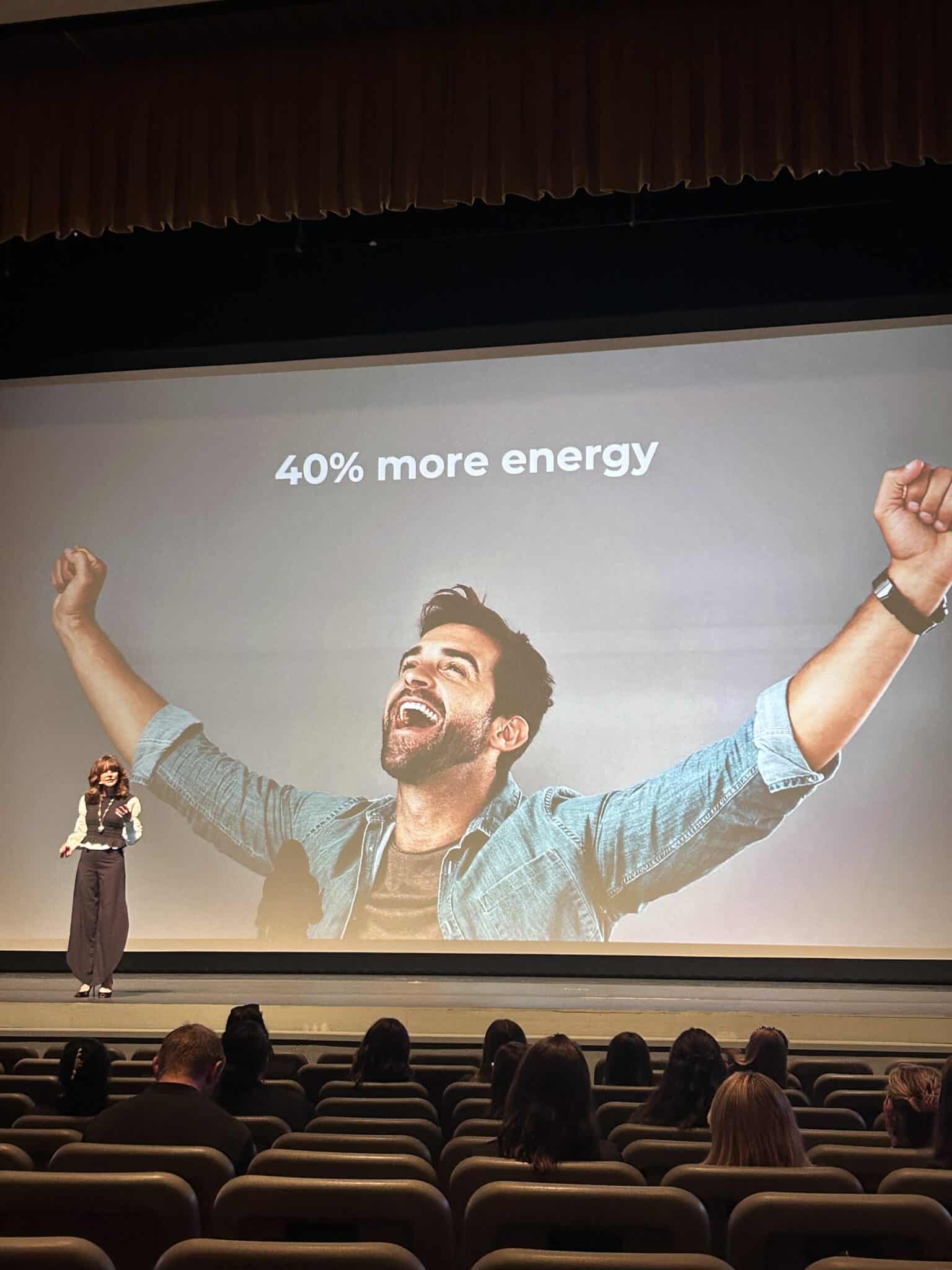
Natalie Johnson’s keynote at the UNC Symposium stuck with me. She talked about developing your best self and sustaining it through thoughtful energy management. The room was clearly energized by it, and I think that resonated because people in this profession care a lot about doing the work well and want to keep doing it for a long time.
It’s also part of why the technology conversation has so much energy behind it right now. When you’re a two-person donor relations shop producing hundreds of stewardship reports, digital tools aren’t a nice-to-have. They’re how you deliver great work without overloading your team. That’s exactly what Remy heard at ADRP NEMA. Both of his sessions, one with Siena University and one with NRDC, shared how their teams are using Ovrture to do more without adding headcount. Different sized organizations, similar approach: figure out what you can streamline so your team can spend their time where it counts.
The best work is happening when teams collaborate across campus
This was probably my favorite takeaway from the spring.
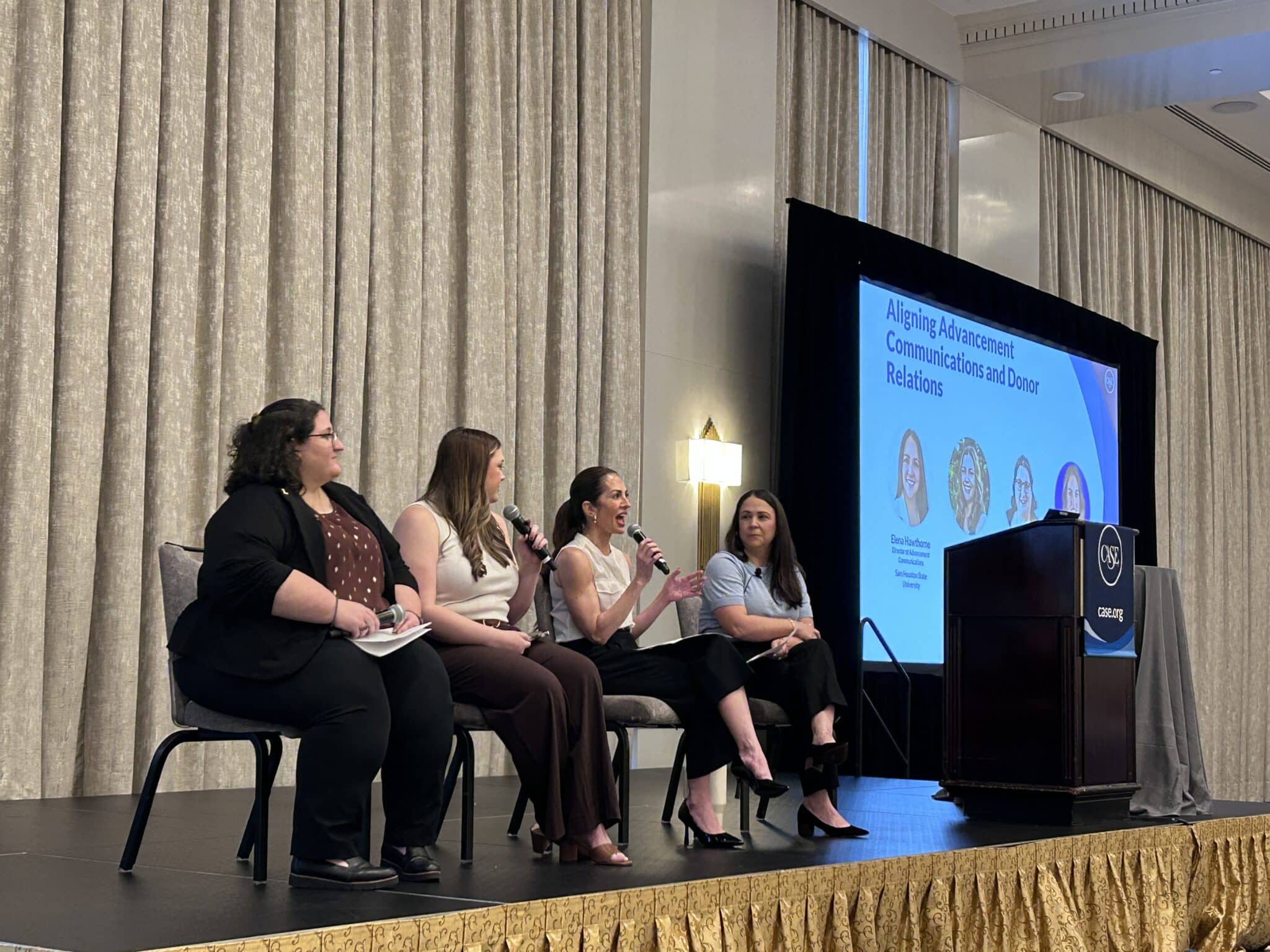
At the CASE Donor Relations Conference, Kirby Messinger from Foster Avenue spoke on the final morning panel about the partnership between advancement communications and donor relations. It’s a topic I care about given our work with Foster Avenue, and the conversation reinforced something I keep seeing: the organizations producing the best donor experiences are the ones where communications, donor relations, and gift officers are actually talking to each other.
Megan Kintzer from Lafayette College and Amber Alexander from Lehigh presented a session on donor relations across the campaign lifecycle, and what stood out was how much of their success depends on working closely with other parts of the advancement operation. These aren’t siloed programs. The donor relations work is woven into the broader campaign strategy.
At the Woodmark Summit, the same idea kept coming up. Lauren and I talked about how the post-event stewardship process at Children’s National requires coordination across development, events, marketing, and leadership. The strongest programs aren’t necessarily the ones with the biggest budgets. They’re the ones where people across the organization have figured out how to work together toward the same goals.
I think this is where the industry is heading, and I find it really exciting. The most effective shops are building workflows where stewardship, cultivation, and communications all inform each other, and I think we’ll see a lot more of that in the years ahead.
Looking ahead
It was a really encouraging few weeks. The people I talked to across these events are motivated and resourceful, and there’s a real sense of momentum in the profession right now. People are learning from each other, sharing what’s working, and finding creative ways to move their programs forward.
We’re already looking ahead to the fall conference season, and I’m curious to see how these conversations evolve over the next few months.
If you were at any of these conferences, I’d love to hear what stood out to you. If you’re thinking through any of the topics I mentioned here, let’s connect. It is always helpful to talk through how other institutions are approaching the same things.
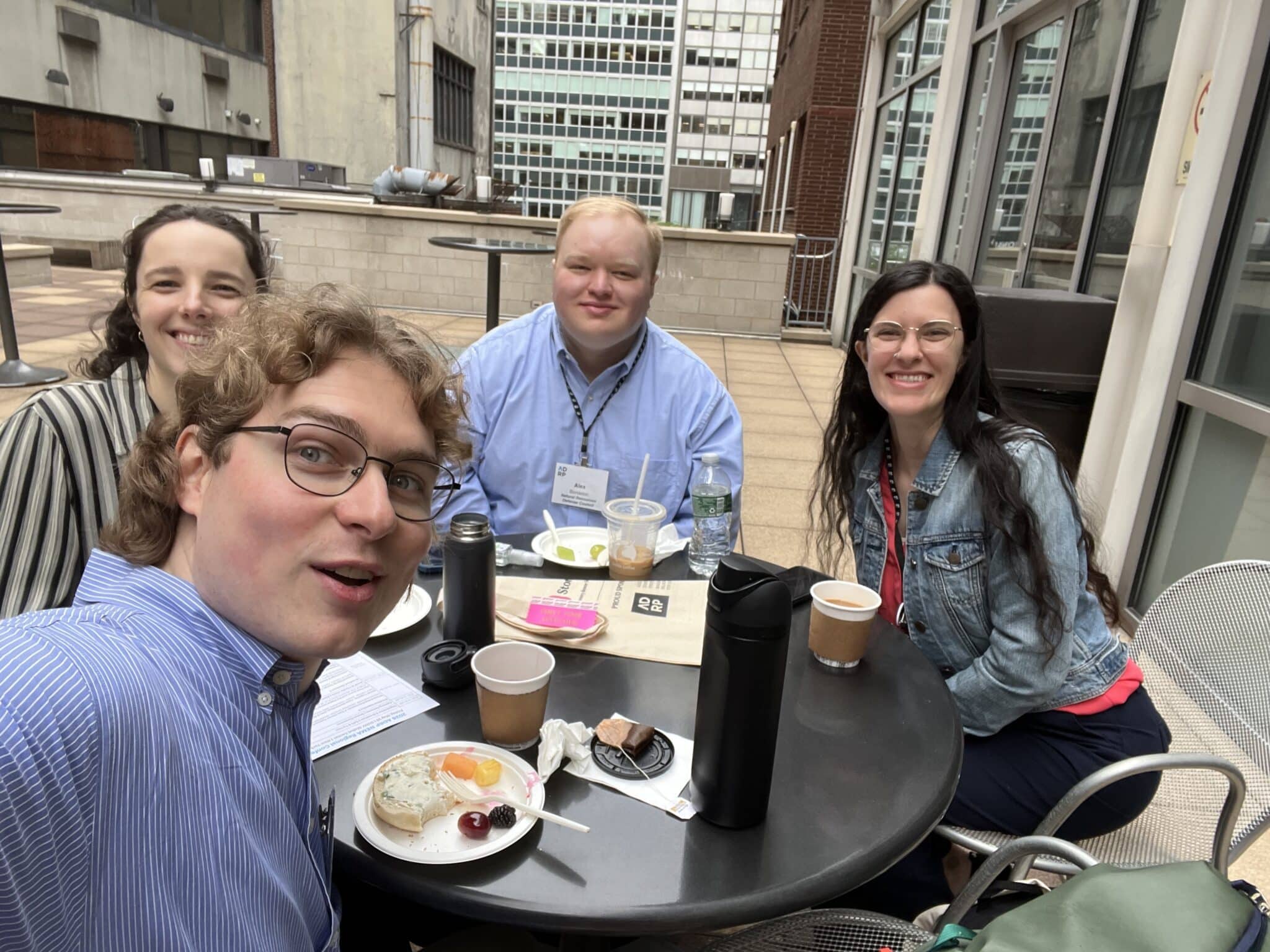
Check out some shots of all of our travels!
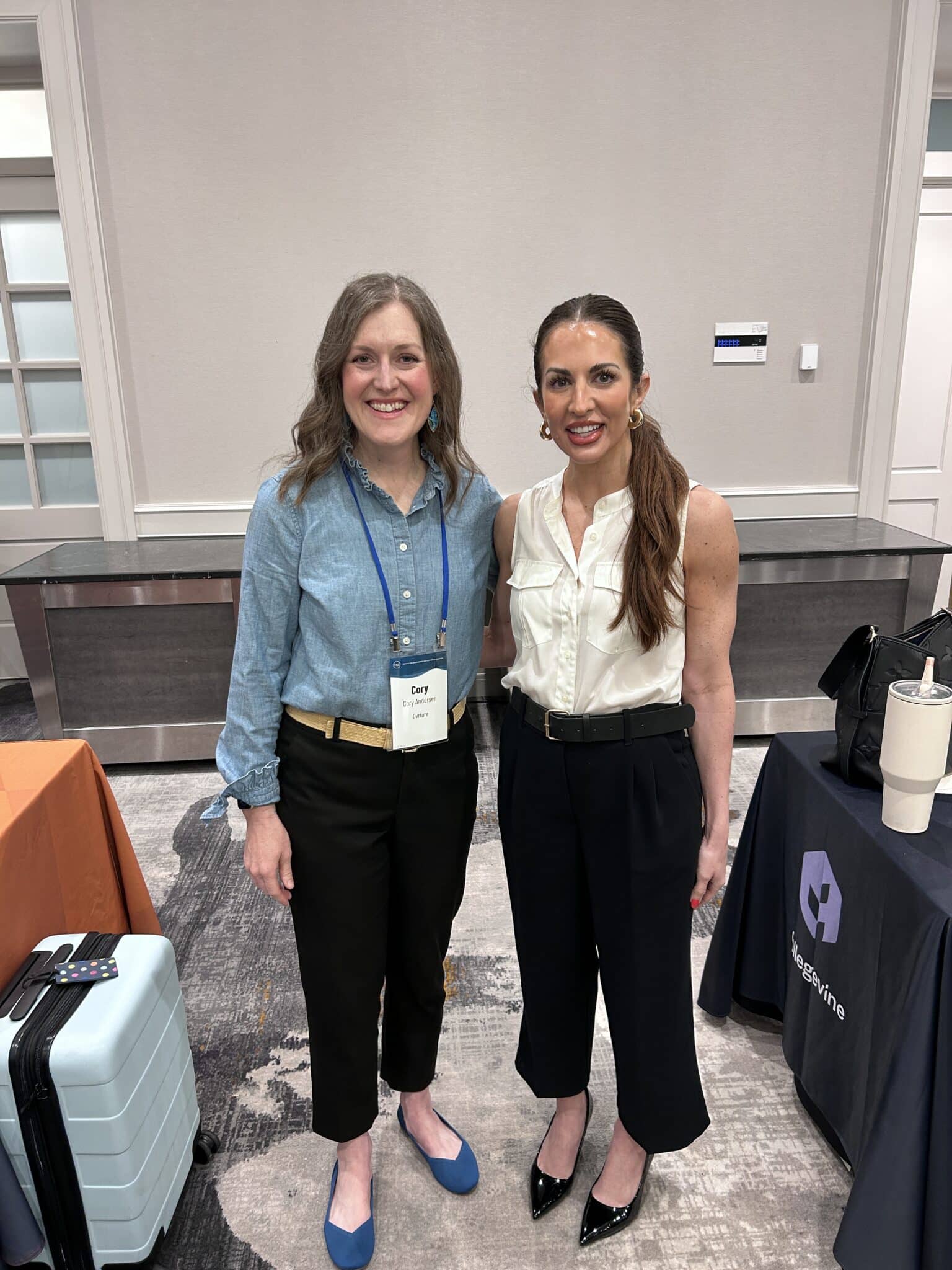

CORY ANDERSEN
Account Executive, Business Development
CORY ANDERSEN
Account Executive, Business Development
Cory helps inspire clients to challenge the status quo in how they communicate with key donors and prospects. As a former fundraiser, she believes in the power of donor-centric philanthropy to bring big change to organizations. When she’s not connecting with teams about Ovrture, you can find her on outdoor adventures with her family.
Share This Story, Choose Your Platform

Categories
Latest posts
Share This Story, Choose
Your Platform